2026-10-22 ·
DIY Checks Before Hiring Spray Foam Removal in South London
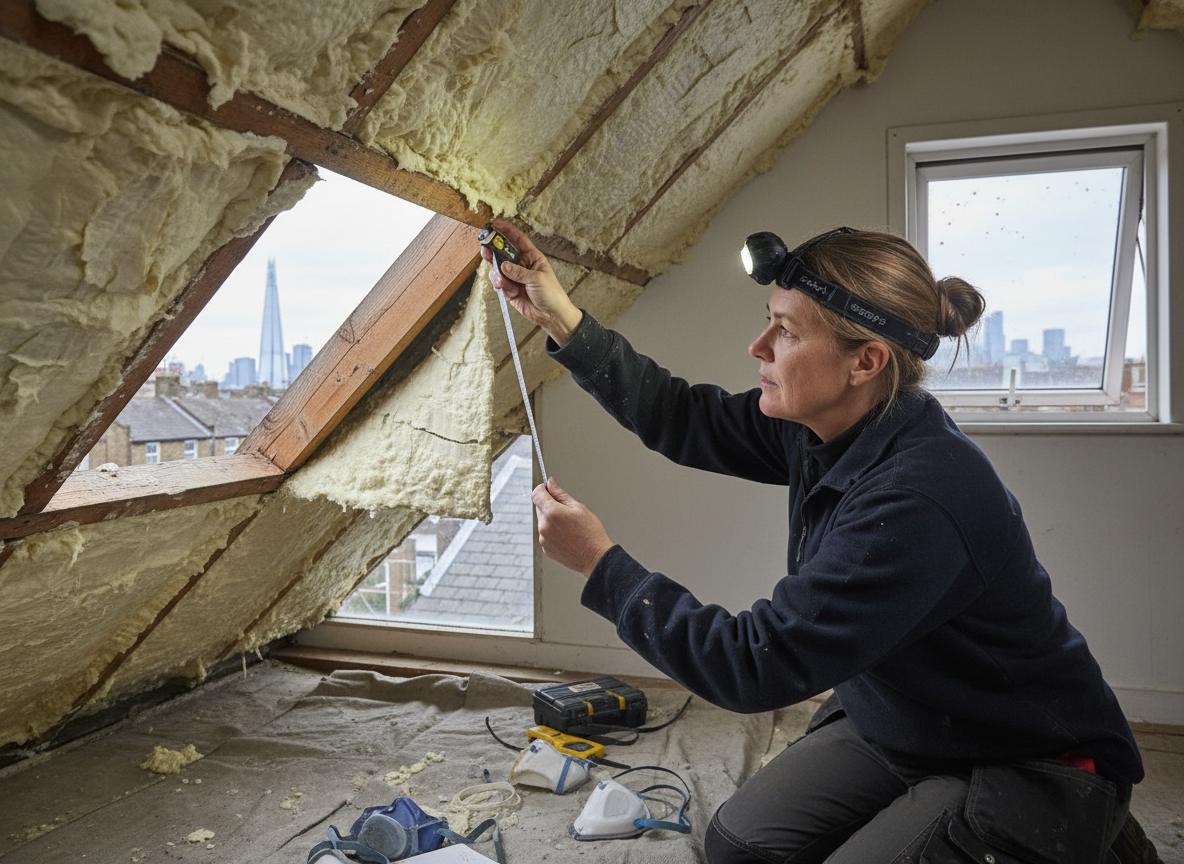
Before hiring spray foam removal in South London, start by identifying whether your insulation is open cell or closed cell, measuring the affected area in square metres and noting any signs of damp in the loft or cavity walls of your property.
Identify Foam Type and Installation Method
Walk through your loft or inspect external walls to spot the foam texture and colour. Open cell foam appears softer and more sponge-like while closed cell feels rigid and dense. In South London terraces built between 1880 and 1930, installers often applied closed cell foam directly to rafters in lofts. Measure the depth at several points with a ruler and photograph the edges where foam meets timber. Check for gaps around pipes or vents that could indicate incomplete coverage. These observations help when discussing the job with a removal team and prevent surprises during the actual work. Properties in Lambeth and Southwark frequently show foam applied over older mineral wool, creating layered conditions that require careful separation.
Check Access Points and Structural Condition
Examine loft hatches, roof voids and any external scaffolding needs around your South London home. Many Victorian terraces have narrow access hatches under 500 mm wide that limit equipment movement. Look for sagging ceiling joists, water stains on rafters and crumbling mortar in chimney stacks that could complicate removal. In areas like Southwark, older roofs often slope at steep angles that affect how debris is contained during extraction. Note any shared party walls with neighbouring properties, as vibration from tools can travel. Record these details with measurements and photos so you can describe exact constraints when obtaining quotes. This step reveals whether internal access alone will suffice or if temporary external platforms are necessary.
Review Local Building Regulations
South London falls under the same planning framework as the rest of Greater London, so check whether your removal project needs notification to the local authority. Older properties in Greenwich and Lambeth sometimes sit within conservation areas where external alterations require consent. Look for any previous building control approvals related to the original foam installation, often found in your property deeds or from the previous owner. Confirm that waste disposal follows Environment Agency rules for construction materials. Reading the guidance on local building regulations for spray foam removal in London clarifies when permits apply and what documentation you should request from any contractor.
Compare Quotes and Service Scope
Gather at least three written quotes that list the exact method, such as dry ice blasting spray foam removal or manual scraping, plus waste removal and post-work cleaning. Ask each provider how they handle dust containment in confined loft spaces common to South London terraces. Request a site visit rather than a phone estimate, and confirm the timeline from start to final clearance. Compare what is included, such as protection of floorboards and electrics, versus items listed as extras. Cross-reference the quotes against the details you gathered during your own inspection so you can question any discrepancies before signing.
Assess Moisture and Long-Term Risks
Use a basic moisture meter on rafters and wall plates where foam was applied. Readings above 18 percent indicate ongoing damp that must be resolved before or during removal. In the London climate, condensation in poorly ventilated lofts often leads to timber decay beneath closed cell foam. Check for mould growth on adjacent insulation or brickwork and note any musty odours. These findings determine whether additional drying or timber treatment will be needed after the foam is gone. Document everything so you can discuss targeted solutions with the removal team and avoid repeat issues once the work is complete.